
 Login
Login



- What are the main components of a complete refueling line, and how do they interact during operation?
- How does a hydrogen refueling system differ from a conventional liquid fuel system (e.g., gasoline, Hydrogen or diesel)?
- Why is pressure management critical in refueling systems, especially for hydrogen at 350 bar and 700 bar?
- What is cascade storage, and how does it improve efficiency in hydrogen refueling stations?
- Why is hydrogen pre-cooled before dispensing, and what could happen if it is not?
- What are the key safety risks in a refueling line, and how are they mitigated in hydrogen systems?
- How does communication between the vehicle and the refueling station optimize the hydrogen filling process (e.g., fueling protocols)?
- What are common causes of slow or incomplete refueling, and how would you troubleshoot them?
- How easy is to refuel hydrogen vehicle compared to traditional fuel?
What are the main components of a complete refueling line, and how do they interact during operation?
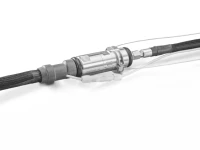
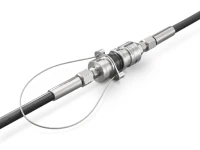
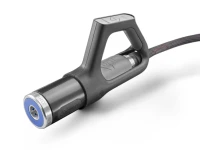
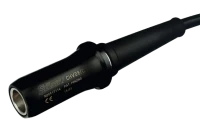
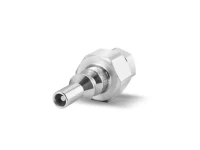
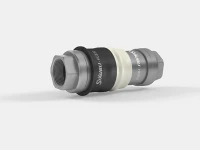
A complete refueling line is composed of three main components: the nozzle, the hose, and the breakaway.
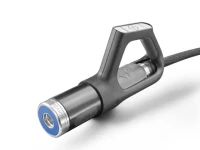
- The nozzle is the key element, as it is directly handled by the user and connects to the vehicle receptacle to transfer fuel safely.
- The hose connects the nozzle to the station system and allows flexible handling during refueling.
- Breakaway is a safety device that automatically disconnects in case of excessive pulling, preventing damage and leaks.
All these components are standardized according to ISO and SAE standards, ensuring interoperability and safe refueling at different stations.
 Compare
 Add to list

How does a hydrogen refueling system differ from a conventional liquid fuel system (e.g., gasoline, Hydrogen or diesel)?
A hydrogen refueling system differs from a conventional liquid fuel system because hydrogen is supplied as a high pressure gas. This makes leak prevention critical, as gas leaks represent a safety risk for both users and equipment.
Due to the high pressure, the nozzle must remain firmly connected to the vehicle receptacle during the entire refueling process. A secure mechanical retention ensures tight sealing and prevents leaks.
Why is pressure management critical in refueling systems, especially for hydrogen at 350 bar and 700 bar?
Pressure management is critical in refueling systems, especially for hydrogen at 350 bar and 700 bar, to prevent cross‑connection between different pressure classes and flow rates. An incorrect connection could damage the vehicle storage system or create safety risks.
To address this, ISO and SAE standards define specific receptacle geometries for each pressure level, ensuring that only compatible nozzles can connect. This design prevents misuse, protects vehicle components, and guarantees safe refueling operations.

What is cascade storage, and how does it improve efficiency in hydrogen refueling stations?
Cascade storage is a system where hydrogen is stored in several pressure banks at different pressure levels instead of a single storage tank. It improves the energy efficiency and performance of hydrogen refueling stations.
This approach enables faster fueling, as high pressure banks can deliver high flow rates instantly, allowing typical 3–5-minute fills at 700 bar. It also increases station throughput, since more vehicles can be refueled per hour without being limited by the compressor.
Cascade storage provides better pressure and temperature control, in line with fueling protocols such as SAE J2601, improving safety and fueling accuracy. In addition, it optimizes storage use by emptying each bank efficiently, minimizing pressure drops and maximizing the usable storage volume.
Why is hydrogen pre-cooled before dispensing, and what could happen if it is not?
Hydrogen is precooled before dispensing to control the temperature rise that occurs during refueling. When hydrogen flows at high pressure into the vehicle storage tank at ambient temperature, the gas heats up as it expands and compresses inside the tank. Without pre cooling, the hydrogen temperature could exceed 85 °C, which is the maximum allowable temperature for carbon fiber composite cylinders.
Pre cooling the hydrogen keeps the in tank temperature below this safety limit, protecting the storage system and maintaining compliance with refueling standards. It also allows faster refueling, since higher flow rates can be used while staying within temperature constraints, improving convenience for the user.
What are the key safety risks in a refueling line, and how are they mitigated in hydrogen systems?
The main safety risks in a hydrogen refueling line are leaks, explosion, high pressure, and hose integrity.
Hydrogen leaks are monitored using hydrogen sensors that detect gas release and trigger alerts.
The explosive risk is mitigated through ATEX certified equipment, suitable for use in explosive atmospheres.
The pressure risk is managed through PED (DESP) certification, ensuring components can safely withstand operating pressures.
A critical weak point is the hose, which is frequently handled, exposed to weather, and subject to mechanical stress. For this reason, hoses are regularly inspected and replaced in accordance with ISO 19880 5, which defines tests reflecting real operating conditions.
How does communication between the vehicle and the refueling station optimize the hydrogen filling process (e.g., fueling protocols)?
Communication between the vehicle and the refueling station allows key data to be exchanged, such as tank pressure, temperature, and storage volume. These parameters, transmitted by the vehicle, are used by the dispenser to control the fueling process.
Based on this data and fueling protocols (e.g. SAE J2601), the station automatically adjusts pressure, flow rate, and fueling time to optimize the fill. This ensures fast refueling, accurate state of charge, and full compliance with safety and temperature limits.

What are common causes of slow or incomplete refueling, and how would you troubleshoot them?
Common causes of slow or incomplete hydrogen refueling include a loss of communication between the vehicle and the station. To optimize the filling process, continuous communication is established, with the vehicle transmitting key data such as tank pressure and temperature.
If this communication is interrupted, the station no longer receives the necessary information to control the process. The refueling system then switches to a degraded fueling mode or may stop the protocol entirely, resulting in slower or incomplete filling.
Troubleshooting focuses on checking the communication link, particularly the receiver integrated in the nozzle, which must be sufficiently robust and reliable to ensure consistent data transfer during refueling.
How easy is to refuel hydrogen vehicle compared to traditional fuel?
Refueling a hydrogen vehicle is almost as easy as refueling a traditional fuel vehicle from the user’s point of view. The process is designed to be simple and intuitive, mainly thanks to the ergonomics of the nozzle.
The nozzle is designed for easy handling, clear positioning, and secure connection, allowing the person to operate quickly and comfortably, similar to a conventional fuel nozzle. The automated fueling process then manages pressure and safety in the background, so the user experience remains straightforward.
Content contributed by Stäubli
With over 30 years of expertise in advanced quick-connectors, Stäubli has been at the forefront of creating filling systems for natural and hydrogen gas. Stäubli's offerings are engineered to conform to the latest environmental norms and regulatory mandates, ensuring they fulfill your essential safety and reliability criteria
 Compare
Add to list
Compare
Add to list

 Compare
Add to list
Compare
Add to list
 Compare
Add to list
Compare
Add to list